Ulrich Lange · 12 October 2026
Examining Integration Patterns Between Specialized Analytics Platforms and Multi-Channel Content Distribution for Sustained Reach in Algorithm-Driven Spaces
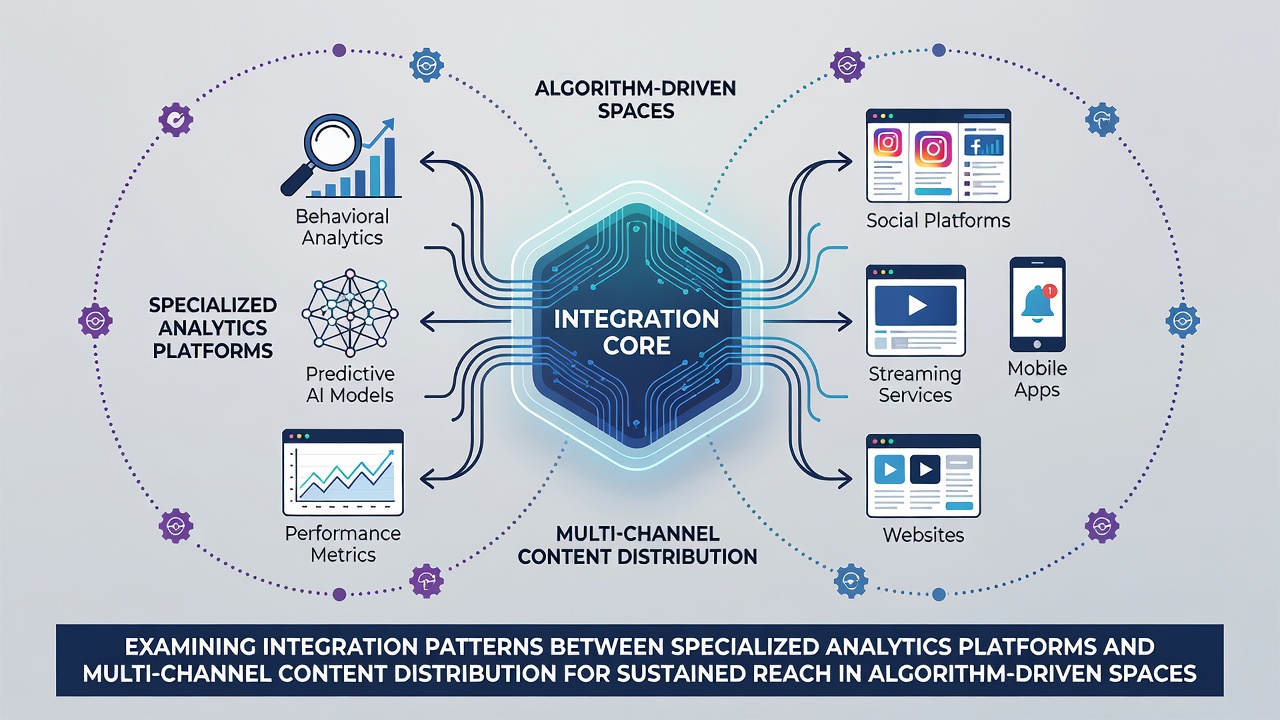
Specialized analytics platforms connect directly with content distribution systems through APIs and data pipelines that pull performance indicators from multiple channels at once, allowing teams to adjust reach strategies based on real-time signals from search engines and social algorithms. Researchers have documented how these connections operate across platforms that handle video, text, and interactive formats simultaneously, with data flowing into centralized dashboards that track engagement patterns over extended periods.Core Components of Analytics Platform Integration
Platforms designed for deep analytics aggregate metrics such as view duration, share velocity, and audience retention rates, then feed those figures into distribution tools that schedule and optimize posts across networks. Integration occurs when content management systems receive automated recommendations derived from historical performance data, enabling adjustments before algorithms shift priorities. Observers note that this process relies on standardized data formats like JSON and structured logs that maintain consistency even when source platforms update their reporting structures.
Multi-channel distribution expands when these analytics layers identify underperforming segments and reroute content to secondary channels where similar audiences remain active. Studies from academic institutions have tracked how organizations using combined systems achieve longer visibility windows compared to those relying on isolated tools, particularly in environments where recommendation engines favor fresh, high-engagement material.
Patterns Observed in Algorithm-Driven Environments
Algorithm updates in October 2026 prompted many organizations to strengthen their integration layers, as changes to ranking signals emphasized cross-platform consistency over single-channel spikes. Data indicates that platforms incorporating predictive models from analytics suites maintained steadier reach curves during those shifts, since the systems could simulate distribution outcomes across channels before rollout. Those who've studied these transitions report that successful patterns often involve layered testing, where small content batches receive initial distribution while analytics engines monitor early signals for broader scaling decisions.
Content that sustains reach tends to follow patterns where initial distribution on primary channels generates data that immediately informs secondary placements, creating feedback loops that algorithms reward with extended visibility. Researchers discovered that organizations employing such loops saw measurable improvements in retention metrics when they aligned content variants with channel-specific audience behaviors identified through analytics.

Technical Mechanisms Supporting Sustained Visibility
API connections between analytics platforms and distribution services handle authentication, data synchronization, and error handling that prevent gaps in monitoring during high-volume periods. These mechanisms allow for automated tagging of content assets so that performance data remains linked to original distribution decisions, supporting long-term analysis of what maintains reach over weeks or months. Figures from industry reports reveal that organizations maintaining these connections experience fewer interruptions when algorithms adjust weighting for factors like dwell time or interaction depth.
Multi-channel strategies benefit when analytics outputs trigger conditional distribution rules, such as increasing frequency on channels showing rising engagement while pausing others. People who've examined these setups find that the rules function best when built on aggregated datasets rather than single-point observations, reducing the risk of reacting to temporary fluctuations.
Case Examples from Recent Implementations
One organization integrated its analytics suite with distribution tools to monitor how short-form video performed across three networks simultaneously, using the combined data to refine thumbnails and captions before wider release. The approach produced distribution patterns that adapted within hours of initial posting, sustaining visibility even after primary algorithm changes. Another example involved research teams at a university-affiliated project that mapped content reach across regional platforms, identifying integration points that extended audience duration by aligning timing with peak activity windows detected through analytics.
According to Pew Research Center findings on platform usage, audiences increasingly consume material across multiple services, which aligns with the need for analytics systems that track cross-channel movement rather than isolated metrics. Similar observations appear in reports from the Australian Bureau of Statistics, which document rising multi-device access patterns that influence how content maintains presence in recommendation feeds.
Conclusion
Integration patterns between specialized analytics platforms and multi-channel distribution continue to evolve as algorithm-driven spaces introduce new ranking variables. The mechanisms that link data collection with content placement support sustained reach by enabling rapid, evidence-based adjustments across channels. Ongoing documentation of these patterns provides organizations with frameworks for maintaining visibility amid shifting platform priorities, while preserving the ability to scale successful approaches based on accumulated performance evidence.