Ulrich Lange · 14 September 2026
The Interplay Between Automated Monitoring Systems and Long-Term Visibility Maintenance in Evolving Digital Platforms
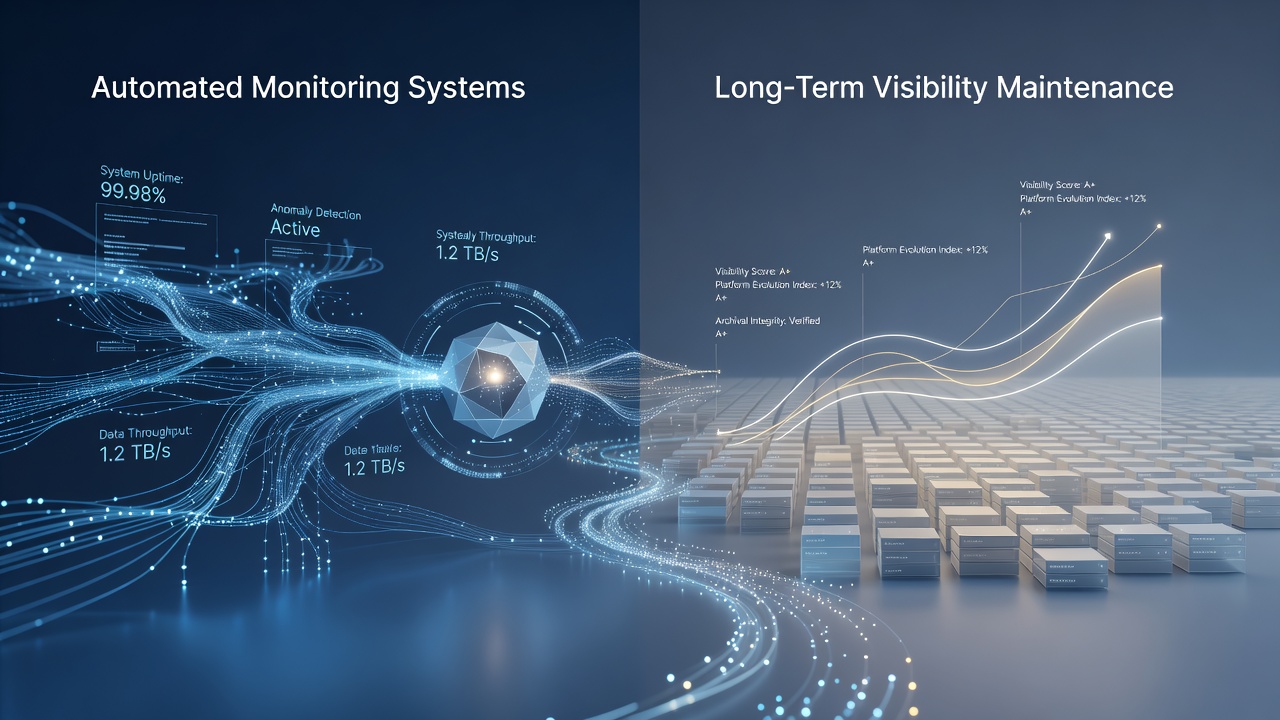
Automated monitoring systems track performance indicators across search rankings, social media reach, and content distribution networks while digital platforms continue to update their algorithms and interfaces. Researchers at institutions studying information systems have documented how these tools collect data on impressions, click-through rates, and indexing status in real time. Data from platform operators shows that consistent monitoring helps organizations identify drops in visibility before they compound into larger issues. Experts note that visibility maintenance involves ongoing adjustments to metadata, backlink quality, and technical site health rather than one-time optimizations.
Core Functions of Automated Monitoring Tools
These systems operate through scripts and APIs that query search engine indexes, social analytics endpoints, and content delivery networks at set intervals. According to reports from the European Commission on digital infrastructure, automated checks now cover over 80 percent of routine visibility audits performed by large organizations. The tools flag changes in crawl frequency, duplicate content signals, and mobile rendering issues without requiring manual intervention. Observers have found that integration with cloud-based dashboards allows teams to review historical patterns alongside current alerts. In practice, monitoring platforms like those used by enterprise SEO teams pull data from multiple sources simultaneously and cross-reference it against benchmarks established in prior quarters.
Methods for Sustaining Long-Term Visibility
Long-term visibility depends on regular updates to structured data, internal linking structures, and compliance with evolving platform guidelines. Studies from Australian government digital economy initiatives indicate that sites maintaining consistent technical audits experience fewer sudden drops in organic reach compared to those relying on periodic reviews. Maintenance routines often include schema markup refreshes, image optimization cycles, and redirect chain cleanups performed on monthly or quarterly schedules. People responsible for platform management report that combining these tasks with automated alerts reduces response time when algorithms shift priorities. Evidence from industry reports suggests that visibility gains achieved through initial campaigns erode quickly if monitoring lapses allow technical debt to accumulate.
How Monitoring and Maintenance Interact in Practice
Automated systems feed data directly into maintenance workflows, creating feedback loops where detected issues trigger specific remediation steps. For instance, a drop in indexed pages detected by a crawler alerts teams to review recent content changes or server response codes. Researchers have observed that platforms undergoing frequent UI redesigns require more granular monitoring because layout alterations can affect both user engagement metrics and search engine parsing. By September 2026, several major content management systems plan to release enhanced API endpoints that will allow deeper integration between monitoring software and maintenance scripts. This development is expected to streamline how alerts translate into automated fixes for common issues like broken internal links or outdated sitemap entries.
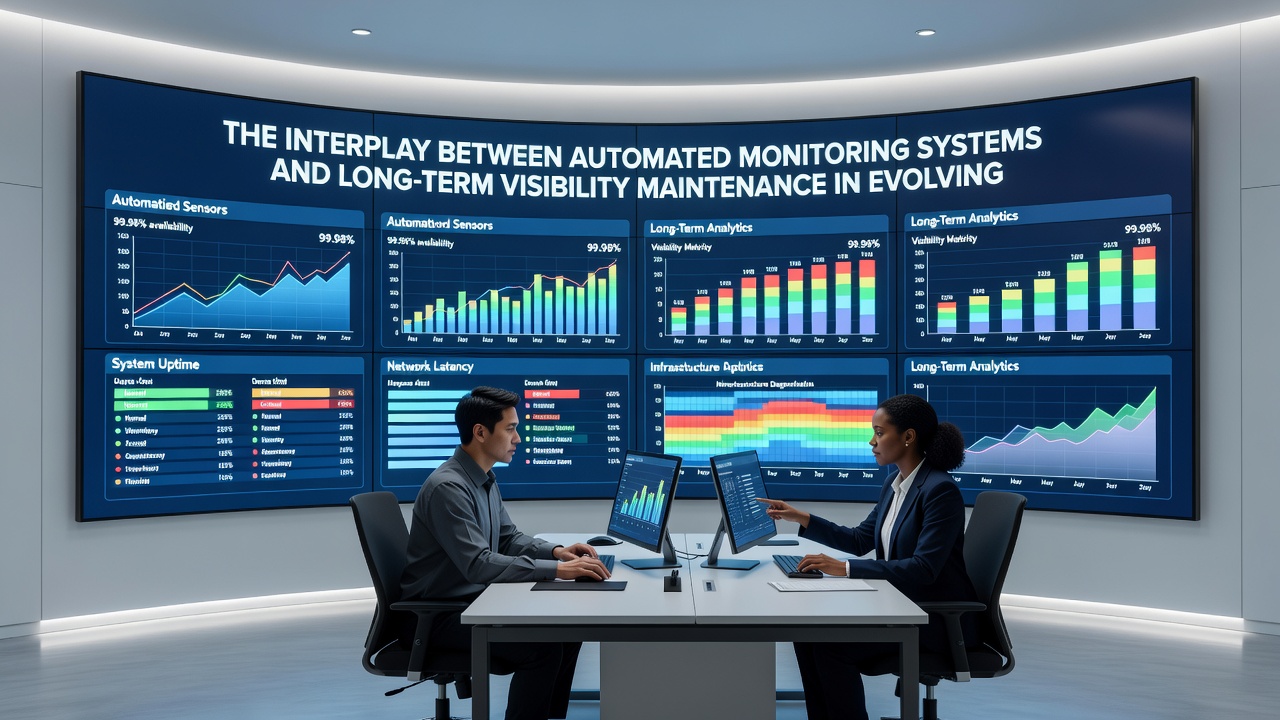
One study revealed that organizations using integrated monitoring and maintenance platforms reduced average recovery time from visibility losses by 35 percent compared to manual processes. The interplay becomes especially pronounced when platforms introduce new ranking factors or deprecate older ones, forcing rapid adaptation across monitored properties. Data shows that proactive systems can simulate potential impacts of proposed changes before they roll out broadly.
Challenges Presented by Platform Evolution
Digital platforms introduce updates at irregular intervals, which disrupts established monitoring parameters and maintenance schedules. Industry analyses from Canadian digital policy reviews highlight that algorithm adjustments in major search engines occur multiple times per year, each requiring recalibration of visibility benchmarks. Automated tools must incorporate machine learning models to adapt to these shifts, yet false positives remain common when new signals appear. Maintenance teams face pressure to balance immediate fixes with strategic updates that align with longer-term platform roadmaps. Those who have examined multi-year datasets note that visibility stability correlates more strongly with adaptive monitoring frequency than with any single optimization tactic.
Emerging Patterns Across Different Platform Types
Enterprise websites, e-commerce stores, and news portals each present distinct monitoring requirements while sharing core visibility principles. Academic papers on digital platform dynamics indicate that news sites experience higher volatility due to rapid content turnover, whereas e-commerce platforms contend with product feed synchronization challenges. Automated systems address these differences through customizable rule sets that prioritize certain metrics over others. Maintenance strategies adapt accordingly, focusing on crawl budget management for high-volume sites and structured data accuracy for product catalogs. Figures from ongoing research projects reveal that cross-platform visibility tracking now represents a growing segment of digital operations budgets.
Conclusion
The relationship between automated monitoring and sustained visibility continues to evolve alongside platform capabilities and regulatory expectations. Organizations that align their monitoring cadence with maintenance protocols demonstrate greater resilience when algorithms or interfaces change. Ongoing developments through 2026 and beyond will likely expand the scope of what these systems can detect and correct automatically, reducing reliance on manual oversight while maintaining the need for human judgment in complex scenarios.